Why Your Toilet Keeps Running
Almost every time a toilet keeps running, the fault sits inside the cistern, and a licensed plumber can settle most cases in one visit. Three parts are behind nearly every case: an inlet valve refusing to close, a flush valve seal letting water creep into the pan, and a water level overtopping the overflow.
If we're late, $100 comes off your bill

- Licensed and InsuredEvery job done by a licensed plumber. QBCC No: 15024607
- Fixed Quote FirstFlat-rate pricing, agreed before any work starts
- Lifetime Labour WarrantyBacked by our Fix-It-or-It's-Free guarantee (T&Cs apply)
- $0 Call-Out FeesNo extra charge for nights, weekends or public holidays

Much of Ningi filled in through the 2000s, so plenty of cisterns are twenty years old and still on their first washers.
This guide from Ningi Plumbing Services covers the three faults, a colour test for silent leaks, and the legal line between householder work and plumber work.
You will find:
- the three faults behind a running cistern and the sound each one makes
- why a tank refuses to fill
- a colour test that catches silent leaks
- the three cistern parts the QBCC calls unregulated work
- what a running cistern does to your water bill
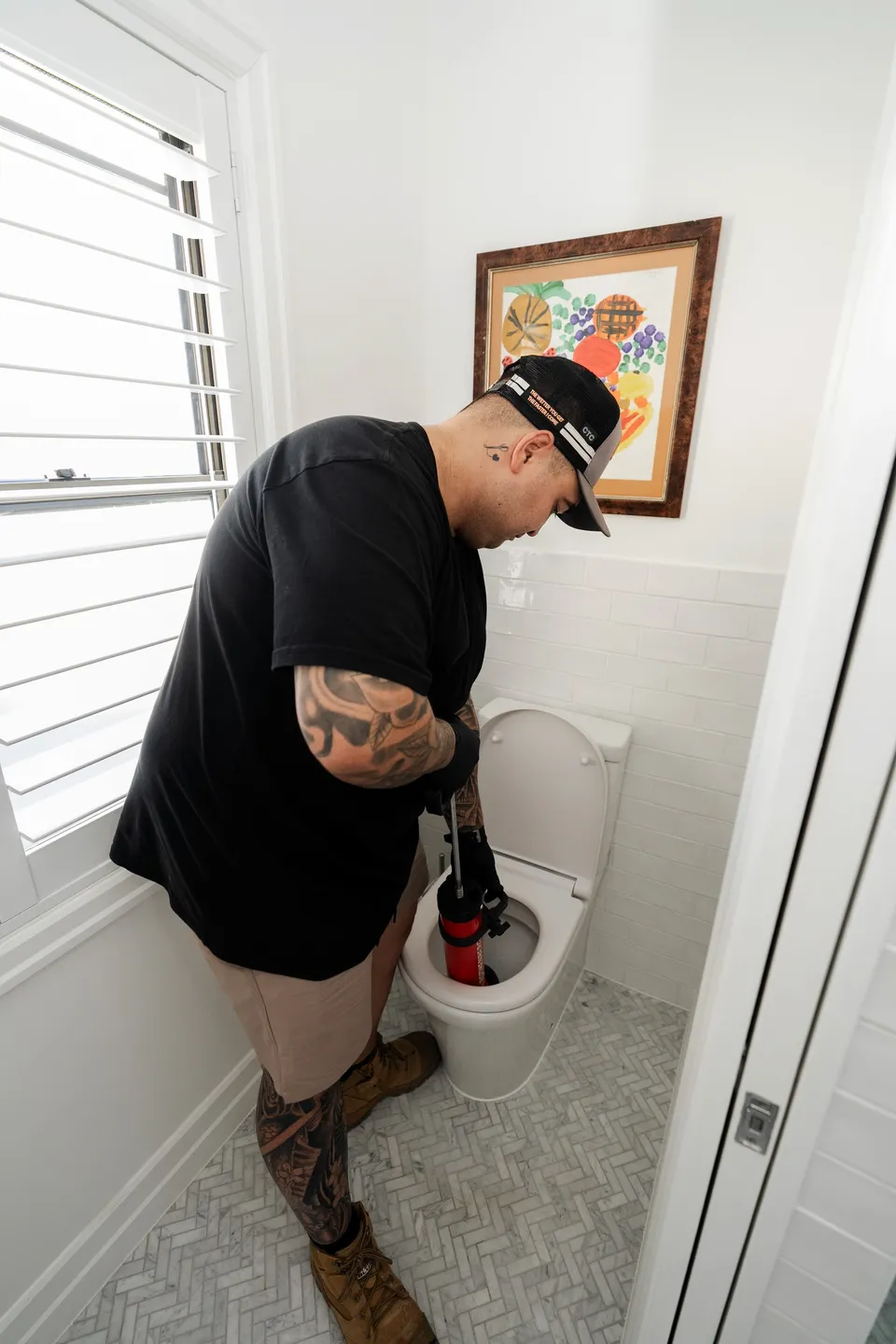
The Three Causes of a Running Toilet
Three faults sit behind almost every running cistern: an inlet valve that keeps filling, a flush valve seal worn enough to leak, and a water level climbing past the overflow.
The inlet valve
Each flush empties the tank, and the inlet valve then refills the tank, closing once the float reaches the chosen level. A hiss carrying on after the tank is full tells you the inlet valve is the culprit.
The flush valve
The flush valve, or outlet valve, holds the stored water between flushes. Once the seal wears, water slips into the pan, the cistern tops up on its own, and the toilet never sounds finished.
The overflow
The overflow works as a spillway, sending excess water where the spillway can do no harm instead of across the bathroom floor. A float riding high or an inlet valve held open lifts the level until water pours out through the overflow.
Each fault leaves a signature:
- a hiss that continues past the refill points at the inlet side
- a cistern refilling on its own every few minutes, or water creeping down the inside of the bowl, points at the flush valve seal
- water dripping outside the overflow pipe means the level, the float or the inlet valve needs a look
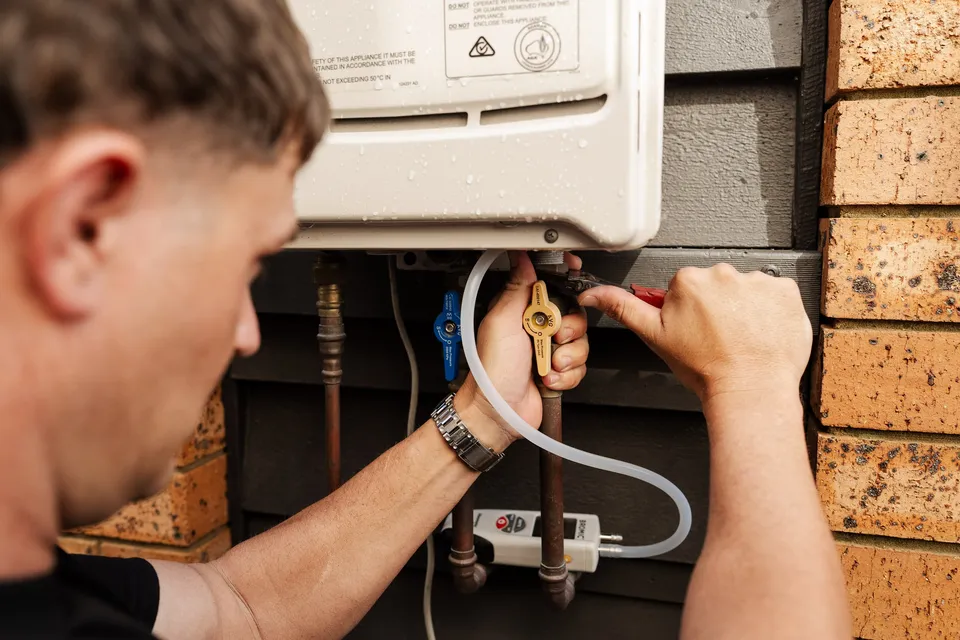
When the Cistern Will Not Fill
A tank that never fills usually traces back to a tired or gummed-up inlet valve, a float riding below the set level, or a stop tap somebody left half turned. The stop tap at the wall is worth a look first, because a tap nudged half shut imitates a valve failure.
There is a second pattern worth knowing. Water can also run freely while the level never climbs. The flush valve seal is then letting water out as quickly as the supply delivers it, so the outlet side is at fault, not the inlet.
Homes on the acreage blocks toward the St Michael's College boundary often have long supply runs with their own isolation points. A stop tap turned down at a garden riser out there can quietly starve a bathroom at the far end of the house.
What Colour in the Bowl Tells You
Run the colour test this way: drip a little food colouring into the tank, leave the toilet unflushed, and check the bowl later without flushing.
Colour in the bowl tells you the cistern is losing water into the pan, and the flush valve seal is at fault. A bowl that stays clear means the flush valve is holding, so look next at the inlet valve and the water level.
Flush once the test is done, since ceramic bowls do not take the stain.
No colouring at home? Lay dry toilet paper high inside the bowl, above the water line. Paper coming away damp means a trickle is running down.
The QBCC List of Unregulated Cistern Work
Three cistern parts sit on the QBCC's unregulated list, work a capable householder may repair or replace:
- the drop valve washer
- the float valve washer
- the suction cup rubber
No licence or paperwork attaches to those three, though whatever you do has to reach the standard the rules require. Every other cistern repair is minor work under the QBCC's categories, so a licensee does it. We stop at the legal line here rather than hand out steps.
Queensland rental rules require the owner or manager to keep the premises in good repair, and the tenant to report a fault as soon as one appears. The emergency list covers toilets that block or break; a cistern that merely runs counts as routine, handled in a reasonable period.
What a Running Cistern Does to Your Water Bill
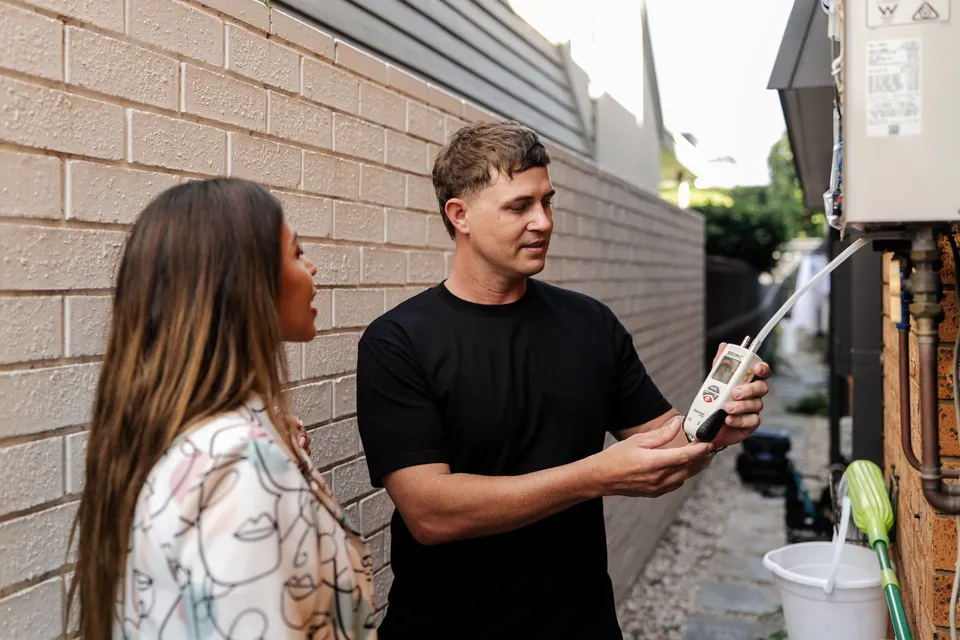
No, Unitywater will not adjust a bill for water a leaking cistern wastes, because the concealed leak policy excludes cisterns, taps and hot water systems. Leaks on a property are the owner's to answer for, along with the losses the leaks bring.
A quiet cistern fault shows up on every meter read, which is why the colour test earns its ten minutes.
When to Call a Plumber
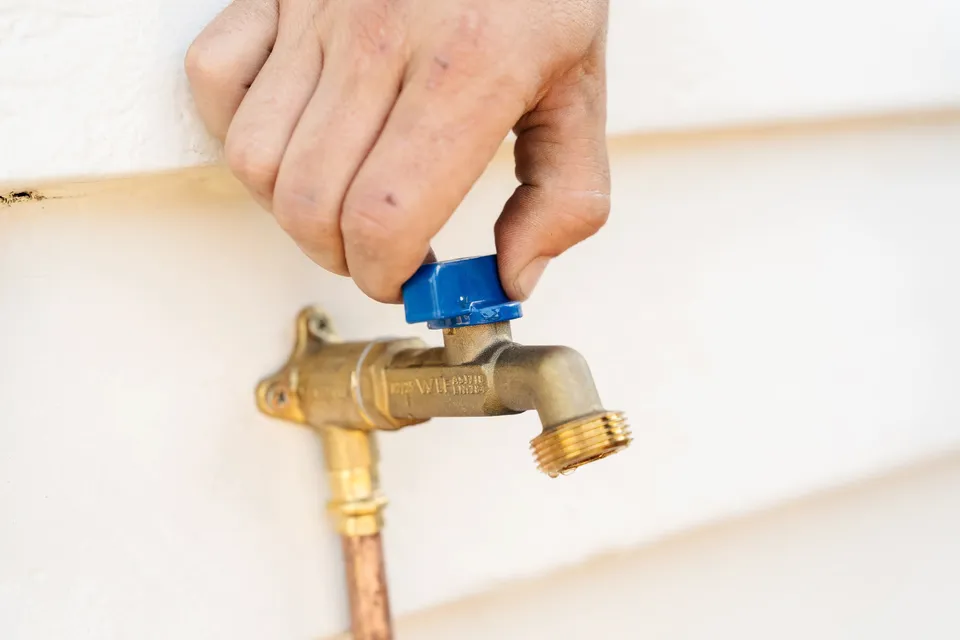
Ring us when colour appears in the bowl, the hiss outlasts the refill, or the cistern refills itself between flushes. Inlet valves, flush valve seals and whole outlet assemblies sit beyond the unregulated list, so the work stays with a licensee.
A plumber carrying the right washers and a matching outlet valve usually settles the fault in one visit. Our toilet repairs page sets out the full repair service.
Toilet Cistern Questions Answered
Call (07) 3524 0766How do I test my Ningi toilet for a silent leak?
Put a little food colouring in the tank, skip flushing, and check the bowl later. Colour turning up in the bowl means the cistern is leaking into the pan. Flush afterwards to clear the colour.
Will food colouring stain my toilet bowl?
No, food colouring will not stain a ceramic bowl, and one flush afterwards washes the colour away completely.
Will Unitywater cover a running toilet in Ningi?
No, the concealed leak adjustment Unitywater offers excludes water lost through a leaking cistern. The property owner is primarily responsible for any leak and the losses it causes.
What is the overflow in a toilet cistern?
The overflow is the outlet that lets surplus water leave the cistern instead of spilling onto the floor. When the inlet valve will not shut off or the float rides too high, the water reaches the overflow and runs out through it.

Ring Us About the Running CisternWe'll call you back.
Book on (07) 3524 0766 for plumbing anywhere in Ningi. We're available 24/7, there's no extra charge for nights, weekends or public holidays, and every job comes with $0 call-out fees.
To claim your $0 call-out fee, call (07) 3524 0766 today.